Farmington Hills, MI · Garage Door Service
Openers, Power Outages, and the Houses in Between
Farmington Hills homes built mostly in the 1960s and 70s meet a cold-severe climate. Here's what that combination does to garage door openers during power outages.
- Repairs & new doors
- Springs & openers
- Serving 5 nearby communities
What the Weather Here Does to It
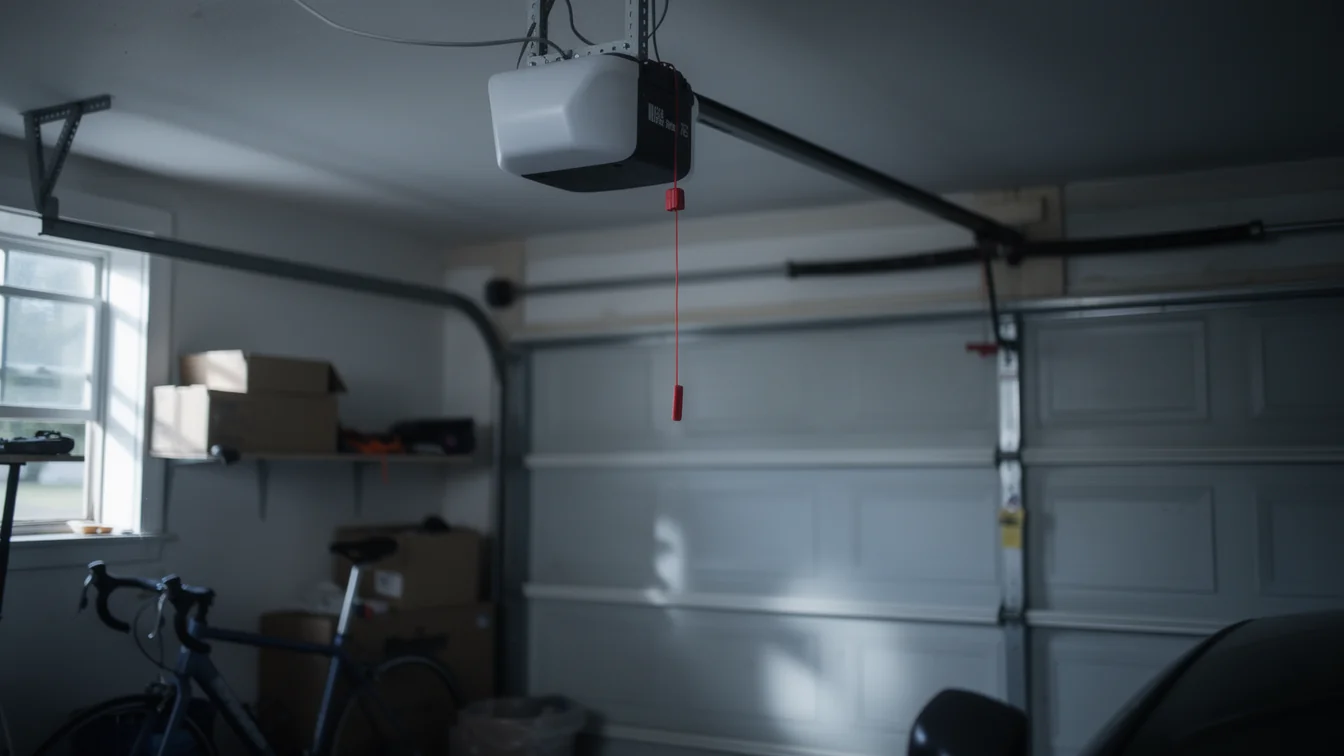
This area sits in a climate band rated cold, severe, and that matters more to an opener than most owners think. Chain-drive units slow down and strain when grease thickens in a hard cold snap, and that's usually the same stretch of weather that knocks the power out. The gear set inside an older opener - the kind still bolted into garages built when this stock went up, mostly between 1938 and 1991 with a median around 1960 - wasn't engineered with a battery backup in mind. Those units draw more current on startup in the cold, which is exactly when a backup battery is weakest and a grid outage is most likely. A garage that isn't heated or insulated to a modern code, which describes a lot of this housing era, drops to outdoor temperature fast, and that cold soaks into the opener's motor housing and the torsion spring both. None of this is dramatic. It's just two systems - old equipment and hard winter - leaning on each other at the worst possible moment. A newer opener rated for this climate band handles the cold cycling fine. An original one from this era usually doesn't, and a power outage is often the thing that finally exposes it.
Leaving It Alone
Nothing forces the issue until the power actually goes out. Up to that point, an aging opener in a cold garage will keep running, just a little slower, a little louder, drawing more current than it used to. Owners don't usually notice because the door still goes up. What they find out during an outage is that the manual release cord - the one nobody's touched since the opener was installed - has gone stiff, or the trolley won't slide freely on a frozen rail, or the release handle itself is brittle from age and years of cold. None of that is urgent until the one night you need it to work and it doesn't. Waiting is a reasonable choice for an opener that's a few years old. It's a worse bet for one that predates the idea of a battery backup entirely, which describes a large share of what's still installed across this housing stock. We won't tell you to replace an opener that's working fine. We will tell you that an opener this old, in a climate this cold, with no backup, is one outage away from a 6am call.
The Situation
Across the 288,662 households and 150,321 owner-occupied houses in this service area, the opener sitting in a lot of those garages is original or close to it - the 1960s and 70s show up again and again across the 41 named areas that make up this stock. That's not a knock on the equipment; it's just old, and old openers weren't built with a battery backup as standard. With a median household income of $78,727 across the area, most owners here can afford to replace an opener outright rather than keep patching one that's older than the house's current owner. That's often the more honest math than a repair, especially once you're into a motor that's already struggling with cold-weather startup. We're not going to pretend every opener needs replacing. Plenty of units from the 80s and 90s are still solid and just need a backup battery added. But a chain-drive unit from the original build era, running on a 1960s garage with no insulation upgrade since, is usually past the point where a tune-up buys you much.
Where People Go Wrong
The most common mistake is assuming a battery backup is overkill because the power rarely goes out. It's less about frequency and more about timing - the cold snaps that stress an old opener's motor are often the same weather that stresses the grid. Second is forcing the manual release cord when it's stiff from cold instead of working it gently; that's how the plastic release lever snaps off in your hand, and now you've got a door that won't release and won't open. Third is wiring a battery backup into an opener that's already failing on its own merits - the backup will run the dying motor for a few cycles and then quit anyway, and you've spent money solving the wrong problem. One honest limit on our side: a backup battery keeps the opener itself running during an outage, but it won't power garage lighting circuits or anything else tied to that same breaker. If you need the whole garage lit during a cut, that's a separate conversation with an electrician, not something an opener battery solves.
Frequently asked questions
Does a battery backup make sense for an opener this old?
Depends on the opener. If it's running fine otherwise, a backup battery is a reasonable add and keeps it working through a power outage. If the motor's already straining in cold weather, the backup just delays the same failure a cycle or two. Worth having us look at the opener itself before you spend money on the battery.
Why does the manual release feel stuck in winter?
Cold stiffens the plastic release lever and can gum up the trolley track, especially on an opener that's original to a garage built decades ago with no insulation upgrade since. Work it slowly rather than yanking it - a stiff release handles fine with steady pressure, but it snaps if you force it.
Is it worth replacing an opener that still works?
If it's original to a house from this build era and has no battery backup, it's probably closer to the end than the middle. We won't push a replacement on something that's genuinely fine, but an opener that's already struggling to start in cold weather is usually not a good repair candidate.
Related garage door services in Farmington Hills
More garage door guides
Book garage door service in Farmington Hills
Call now or request a quote - tell us what the door is doing and where you are.